Taking Flight: Exploring the World of DIY Aircraft through Self-Study
Category : |
Sub Category : Posted on 2023-10-30 21:24:53
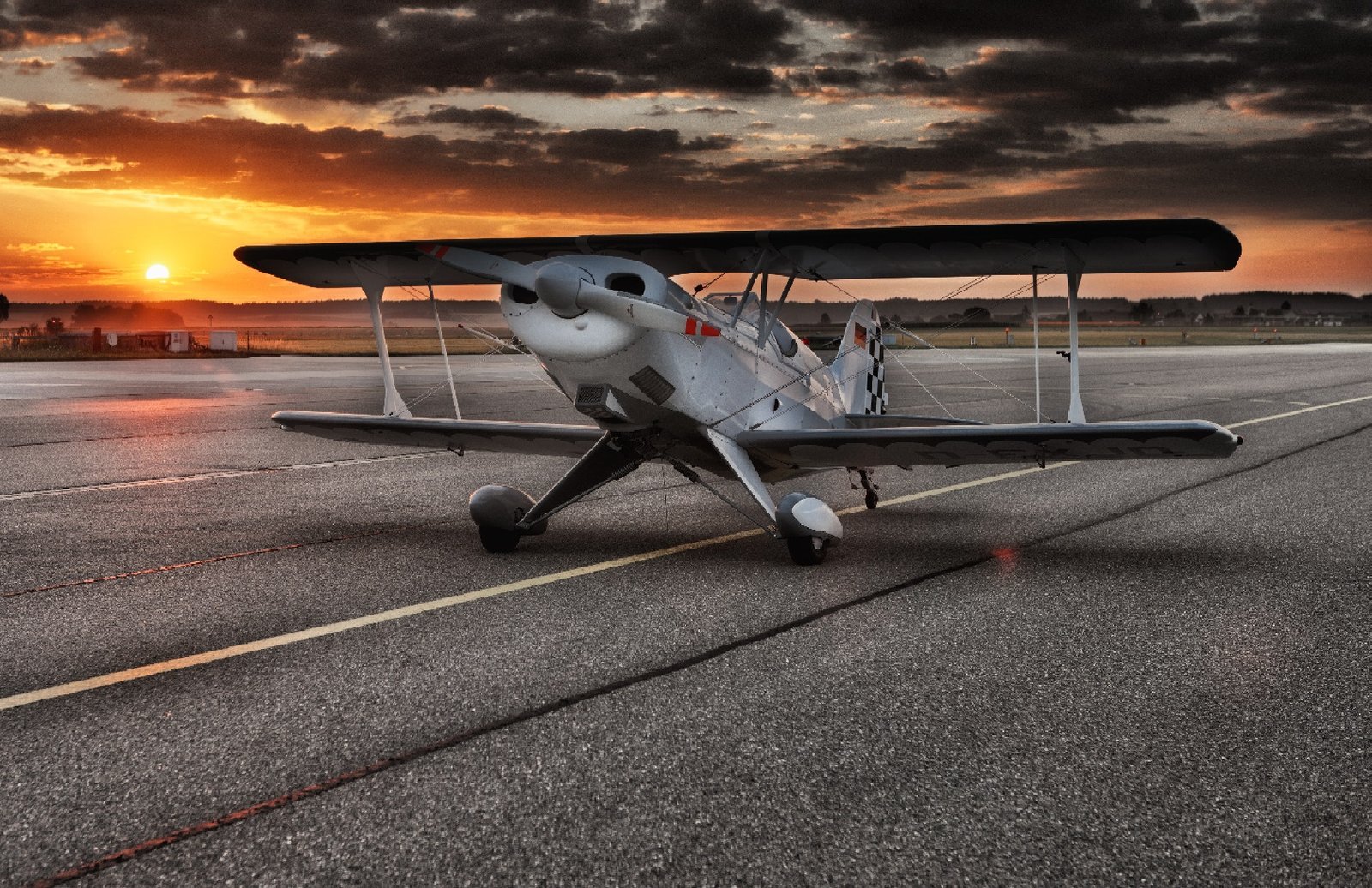
Introduction: In today's ever-evolving world, the desire to push boundaries and explore new frontiers has motivated individuals to become their own engineers, builders, and pilots. The world of DIY aircraft is an exciting realm where aviation enthusiasts, dreamers, and innovators can come together to develop and construct their very own flying machines. In this blog post, we will dive into the fascinating world of self-study DIY aircraft and uncover the key aspects that make this pursuit both challenging and rewarding. 1. The Passion for Flight: The desire to fly has been ingrained in human hearts for centuries. By embarking on a self-study journey in DIY aircraft, enthusiasts can transform their passion for aviation into a tangible reality. The allure of building, designing, and piloting a personal aircraft is a powerful force that drives individuals to acquire the knowledge and skills necessary to undertake such an ambitious project. 2. Freedom in Design: One of the most exhilarating aspects of DIY aircraft is the freedom to design and customize the aircraft to fit individual needs and preferences. From the type of materials used to the layout of the cockpit, self-study DIY aircraft allows builders to create a flying machine perfectly tailored to their unique requirements. This opens up a world of possibilities and ensures that each aircraft is a reflection of the builder's personality and vision. 3. The Learning Journey: Embarking on a self-study DIY aircraft project is a thrilling endeavor that requires an immense amount of dedication, research, and learning. From studying aerodynamics and engineering principles to understanding electrical systems and avionics, enthusiasts are immersed in a constant learning process. This journey acts as a catalyst for personal growth and can lead to a deeper understanding of various disciplines such as physics, mechanics, and electronics. 4. Building and Assembly: Constructing a DIY aircraft involves a series of steps that require meticulous attention to detail. Builders must gather the necessary materials and tools, follow construction plans, and ensure compliance with safety regulations. The assembly process can be complex and time-consuming, but it provides an opportunity for enthusiasts to develop practical skills and a deep understanding of aircraft systems. 5. Safety and Certification: Safety is of paramount importance in aviation, and DIY aircraft enthusiasts must adhere to strict guidelines and procedures to ensure the airworthiness of their creations. This includes consulting with experts, government bodies, and professional pilots to ensure compliance with regulations, as well as conducting thorough inspections and tests throughout the building process. 6. The Thrill of Flight: The moment of truth arrives when the self-study DIY aircraft is finally complete and ready for its maiden flight. Piloting a machine that you have personally built provides an unmatched sense of accomplishment and pride. The thrill of taking to the skies in your own creation is an experience unlike any other, as DIY aircraft enthusiasts become both pilot and engineer, experiencing the fruits of their labor firsthand. Conclusion: The world of self-study DIY aircraft is a testament to human innovation, determination, and the constant desire to reach new heights. Through a journey of learning, building, and navigating the complex world of aviation, enthusiasts can experience the joy of flight in a truly unique and personal way. If you have a passion for aviation and a hunger for knowledge, exploring the world of DIY aircraft may just be the opportunity you've been waiting for to soar above the clouds and leave your mark in the sky.


