Jets' Peacekeeping Efforts: Protecting the World, One Mission at a Time
Category : |
Sub Category : Posted on 2023-10-30 21:24:53
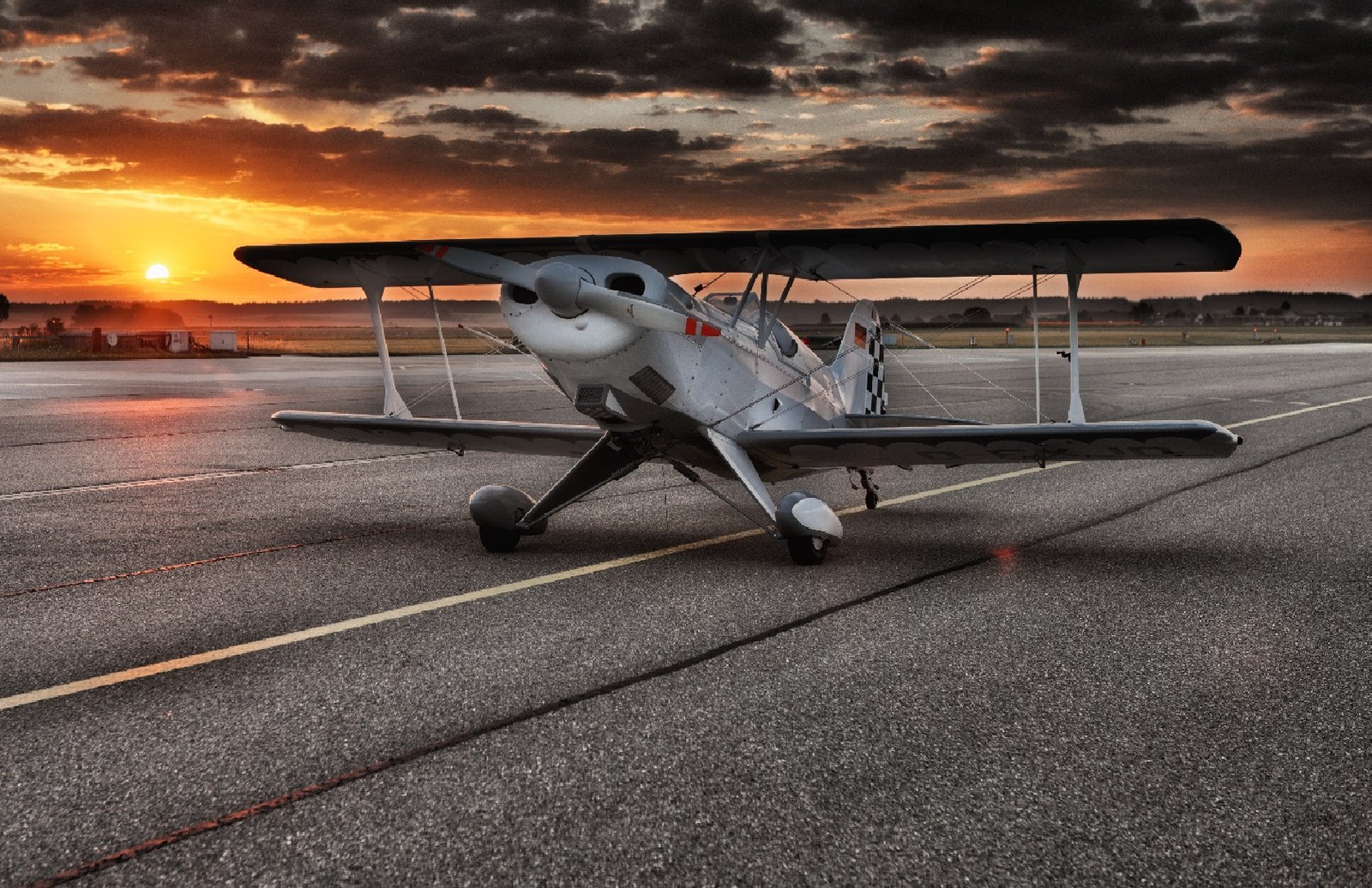
Introduction: In a world often plagued by conflict and unrest, peacekeeping efforts play a crucial role in promoting stability and harmony. Jets, known for their speed and power, are not only utilized for combat but are also indispensable assets in peacekeeping operations. In this blog post, we will delve into the significant role that jets play in these missions and how their cutting-edge technology aids in protecting the world and maintaining peace. 1. Rapid Deployment: One of the most significant advantages that jets bring to peacekeeping efforts is their unmatched speed. Jets can swiftly transport personnel, equipment, and humanitarian aid to crisis-stricken areas. Time is often of the essence in these situations, and the ability to deploy quickly can be the difference between saving lives and exacerbating a catastrophic situation. 2. Aerial Surveillance and Reconnaissance: Jets are equipped with advanced surveillance capabilities, including high-resolution cameras, infrared technology, and radar systems. These features enable peacekeeping forces to gather critical intelligence, monitor volatile regions, and identify potential threats. By providing real-time information, jets help peacekeepers make informed decisions while minimizing risks. 3. Deterrence and Show of Force: The presence of jets in peacekeeping missions acts as a deterrent against potential aggressors. Their imposing power and superior firepower send a clear message that any hostile action will be met with a swift and decisive response. This deterrent effect helps reduce the likelihood of conflict escalation and allows for more effective dialogue and negotiations. 4. Airborne Medical Support: Jets also play a vital role in providing medical support in areas where traditional healthcare facilities may be scarce or inaccessible. They can quickly transport medical personnel, equipment, and supplies to provide urgent care and evacuate critically injured individuals. This capability not only saves lives but also helps build trust and foster goodwill among local communities. 5. Humanitarian Aid Delivery: During peacekeeping missions, jets are often tasked with transporting humanitarian aid to affected areas. Their large cargo capacities and ability to operate in challenging environments enable them to deliver food, water, medical supplies, and other essential items to communities in need. By directly addressing the basic needs of affected populations, jets contribute to restoring normalcy and rebuilding lives. Conclusion: Jets' participation in peacekeeping efforts goes beyond their traditional role in combat. Their speed, surveillance capabilities, deterrence potential, and ability to provide medical support and deliver humanitarian aid make them indispensable in global peacekeeping operations. As technology continues to advance, jets will only become more efficient and powerful, ensuring a safer and more peaceful world for all. It is crucial for nations to continue investing in these peacekeeping assets and collaborate to address global challenges collectively. You can also Have a visit at http://www.jetiify.com If you are interested you can check http://www.culturepolitics.com


