Taking Flight: A Guide to DIY Aircraft in Engineering and STEM
Category : |
Sub Category : Posted on 2023-10-30 21:24:53
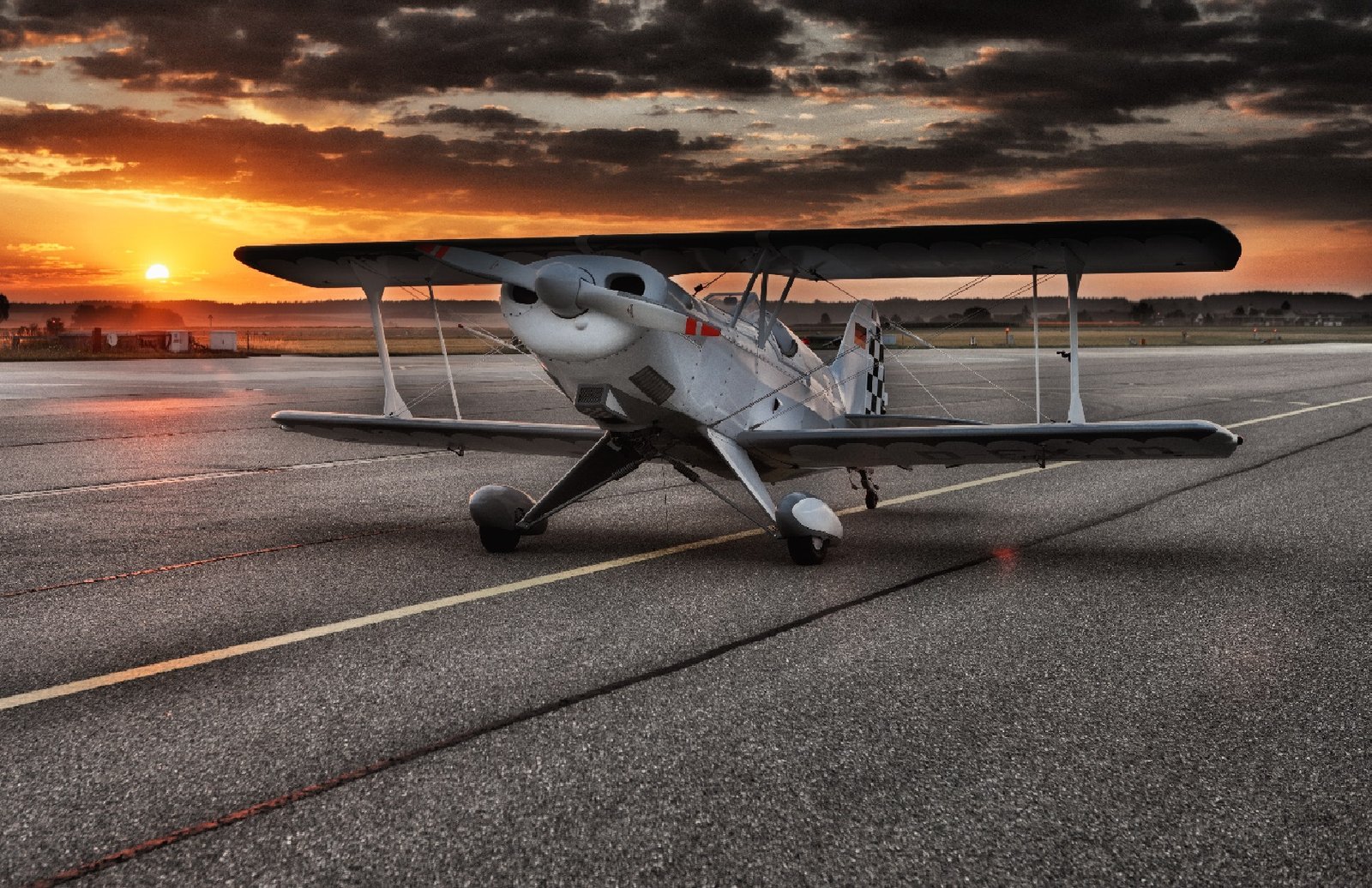
Introduction: Engineering and STEM (Science, Technology, Engineering, and Mathematics) fields have always been at the forefront of innovation and exploration. One fascinating area that combines both these disciplines is the world of DIY aircraft. Building your aircraft from scratch not only fuels your passion for engineering but also offers a hands-on learning experience that can uniquely enhance your understanding of aerodynamics, physics, and design principles. In this blog post, we will delve into the exciting world of DIY aircraft and everything you need to know to embark on this thrilling engineering adventure. 1. Understanding the Basics: Before you embark on your DIY aircraft journey, it's crucial to have a strong foundation in engineering and aerodynamics. Familiarize yourself with the principles of flight, lift, drag, and thrust, as well as key aspects like center of gravity and stability. Building a solid understanding of these concepts will be vital throughout the design and construction process of your aircraft. 2. Research and Planning: The success of any DIY aircraft project lies in careful research and meticulous planning. Study existing aircraft designs, delve into aviation resources, and explore online communities dedicated to DIY aviation. This research will help you gather valuable insights and ideas that can be incorporated into your own unique aircraft design. Additionally, analyze the regulations and safety standards pertaining to aircraft construction in your region, as compliance is crucial for a safe and legal flight. 3. Materials and Tools: Choosing the right materials and tools is essential for building a sturdy aircraft. Seek guidance from experienced builders, join online forums, or consult aerospace engineering resources to determine the appropriate materials for your aircraft's frame, wings, and control surfaces. Acquire a comprehensive set of tools tailored to the specific requirements of your project, including cutting tools, fasteners, adhesives, and measurement instruments. 4. Building Your DIY Aircraft: Once you've gathered the necessary knowledge and materials, you can start constructing your DIY aircraft. Begin with assembling the frame and work your way through attaching the wings, control surfaces, and landing gear. Keep track of your progress by maintaining a detailed construction log, documenting your design choices, modifications, and challenges faced along the way. Regularly consult with fellow DIY aviation enthusiasts or seek professional advice when needed. 5. Safety Considerations: Safety should always remain a top priority when working on a DIY aircraft project. Make sure to perform thorough checks and inspections at every stage of construction. An additional precautionary measure is to involve an experienced aviation professional to review your design and provide guidance on safety standards. It's essential to prioritize safety over shortcuts or compromising on the quality and integrity of your aircraft. 6. Test and Flight: With the construction phase complete, it's time to put your DIY aircraft to the test. Conduct ground tests to assess its stability, balance, and maneuverability. Once you're confident in its performance, seek permission to fly your aircraft in designated airspaces, adhering to all legal requirements. Remember, thorough testing and gradual progression is key to ensuring a safe and successful flight. Conclusion: Embracing the world of DIY aircraft in engineering and STEM can be an incredibly rewarding endeavor. Not only does it ignite your passion for aerospace engineering, but it also offers valuable hands-on experience in applied science and mathematics. By researching, planning, and constructing your aircraft, you're immersing yourself in a world where creativity and innovation take flight. So, go ahead, start exploring the possibilities, and let your engineering skills soar to new heights with a DIY aircraft project.


