Taking DIY Aircraft to New Heights with Quick Shift Superpixels Algorithm for Images
Category : |
Sub Category : Posted on 2023-10-30 21:24:53
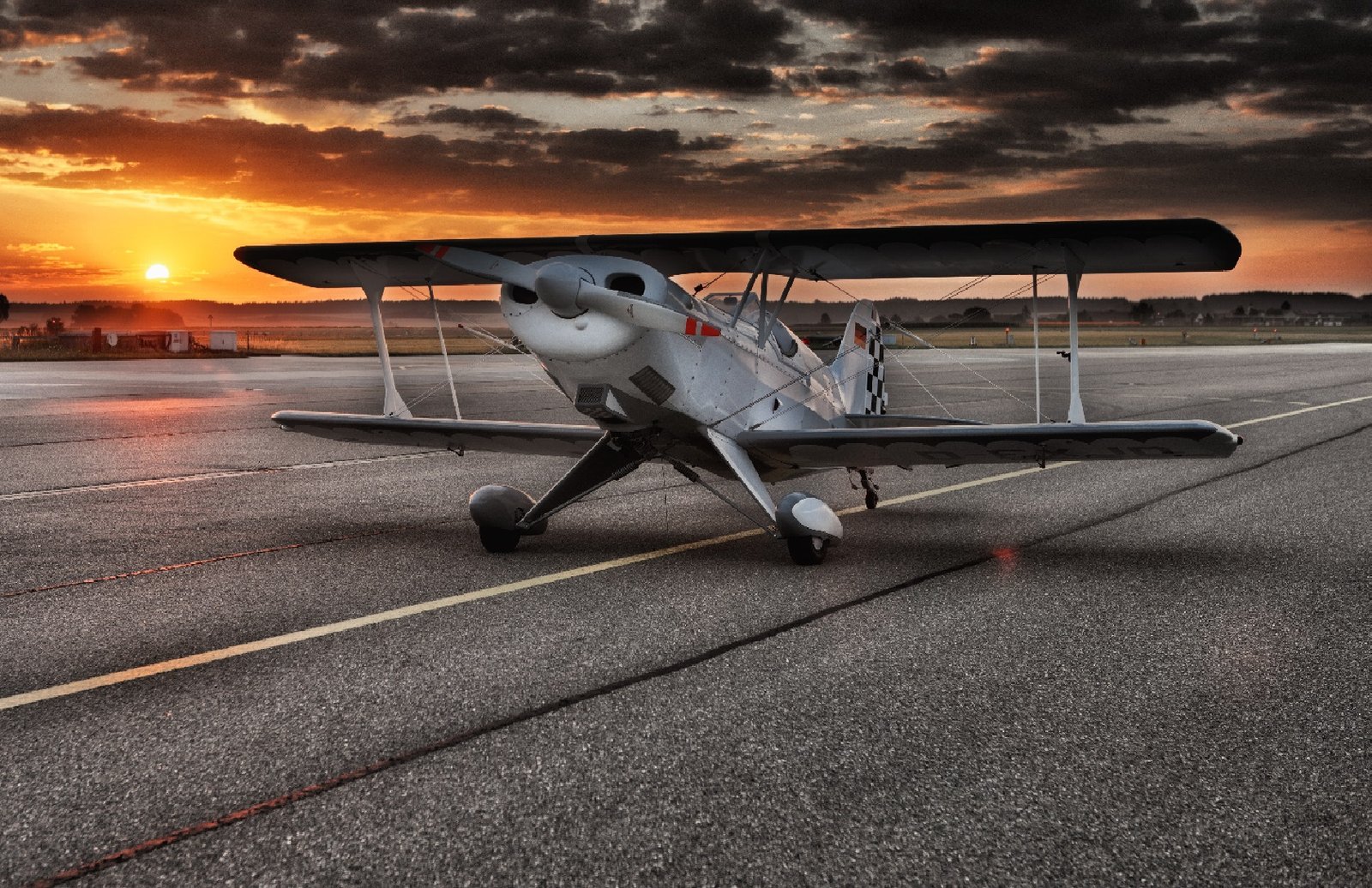
Introduction: In the realm of do-it-yourself (DIY) aircraft, enthusiasts are constantly pushing the boundaries of what can be achieved. From building remote-controlled drones to designing custom model airplanes, the possibilities seem endless. However, one key aspect that often goes overlooked is image processing for aerial imagery. In this blog post, we will explore how the quick shift superpixels algorithm can revolutionize the way you handle images in your DIY aircraft projects. So, buckle up and get ready to soar to new heights! Understanding the Quick Shift Superpixels Algorithm: Before we dive into its application for DIY aircraft, let's understand the basics of the quick shift superpixels algorithm. It is an image segmentation technique that divides an image into cohesive regions called superpixels. Unlike traditional pixel-based processing, which treats each pixel independently, this algorithm groups pixels with similar characteristics together. This approach allows for higher-level analysis and manipulation of the image. Benefits for DIY Aircraft Projects: Now, you might be wondering how this algorithm can benefit your DIY aircraft endeavors. Let's explore a few key ways: 1. Enhanced Image Understanding: By using the quick shift superpixels algorithm, you can gain a deeper understanding of aerial imagery captured by your DIY aircraft. This algorithm can segment the image based on varying characteristics such as color, texture, and spatial proximity. This segmentation provides a foundation for further analysis and decision-making. 2. Object Recognition and Tracking: With the image divided into superpixels, you can leverage the power of the quick shift superpixels algorithm for object recognition and tracking. For example, you can train your DIY aircraft to identify specific objects, such as cars or buildings, within captured images. This opens up possibilities for applications like aerial surveillance or autonomous object tracking. 3. Efficient Image Compression: Size constraints are often a challenge when it comes to storing and transmitting image data in DIY aircraft projects. The use of superpixels allows for more efficient image compression techniques. By representing an image through a reduced number of superpixels instead of individual pixels, you can achieve significant file size reductions without compromising image quality. DIY Implementation Considerations: Implementing the quick shift superpixels algorithm for your DIY aircraft projects does require some technical know-how. Here are a few considerations to keep in mind: 1. Processing Power: The quick shift superpixels algorithm can be computationally intensive, so ensure that your DIY aircraft has sufficient processing power to handle the image segmentation in real-time. 2. Image Acquisition: High-quality images are crucial for accurate segmentation. Consider using a high-resolution camera or optimizing image acquisition techniques to maximize the algorithm's effectiveness. 3. Integration: To integrate the algorithm into your DIY aircraft system, you will need to adapt it to your specific hardware and software setup. Open-source libraries, like OpenCV, often provide implementations of the quick shift superpixels algorithm that can be customized to fit your needs. Conclusion: In the world of DIY aircraft, image processing plays a vital role in enhancing capabilities and improving performance. The quick shift superpixels algorithm offers a powerful tool for segmenting images, enabling advanced image analysis and manipulation. By leveraging this algorithm, DIY aircraft enthusiasts can achieve enhanced image understanding, object recognition and tracking, and efficient image compression. So, get ready to take your DIY aircraft projects to new heights with the quick shift superpixels algorithm! For valuable insights, consult http://www.vfeat.com


