DIY Aircraft and the Role of Machine Learning
Category : |
Sub Category : Posted on 2023-10-30 21:24:53
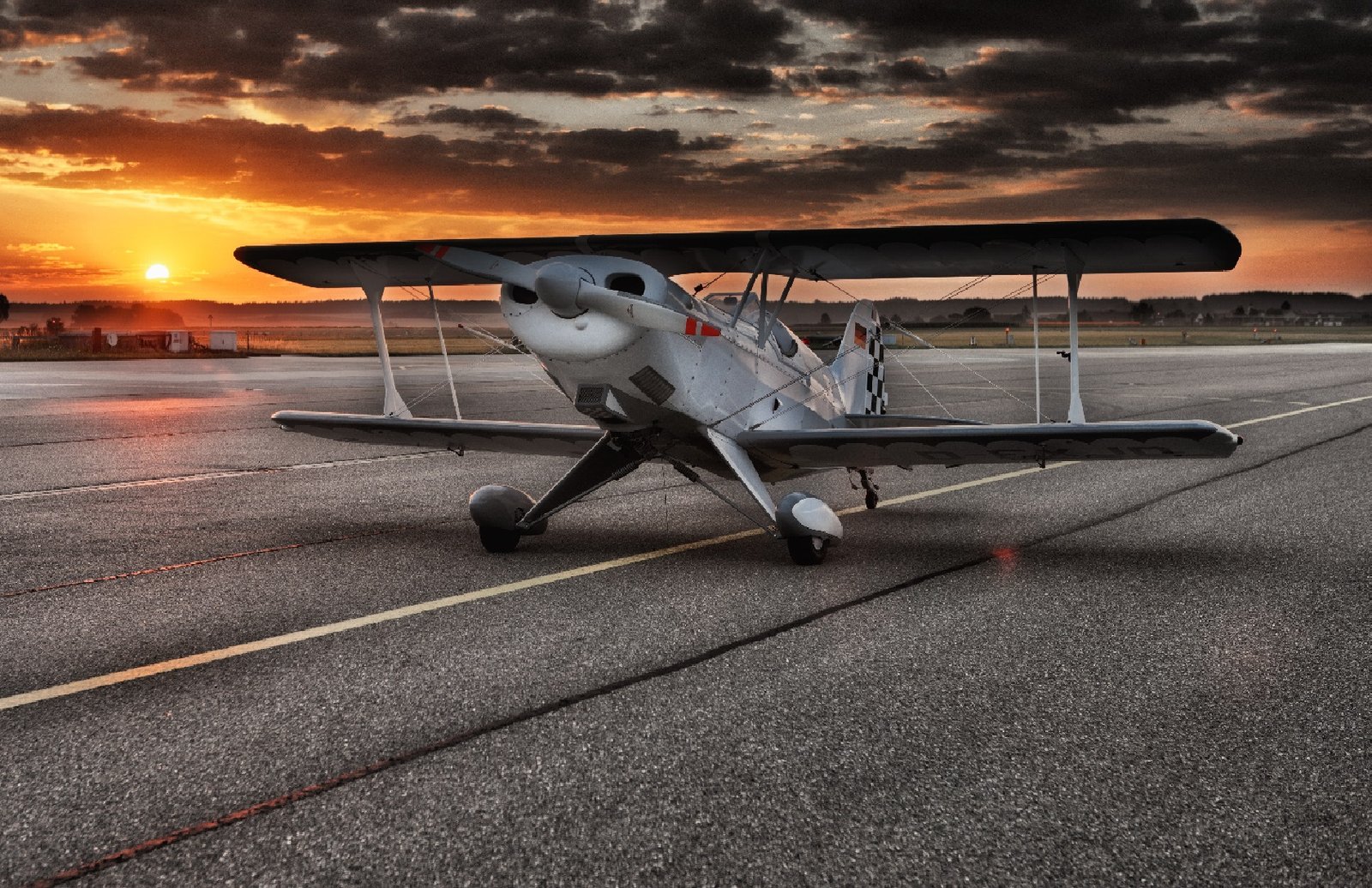
Introduction: At first glance, the words "DIY aircraft" and "machine learning" may seem like an unusual pairing. However, in recent years, advancements in technology and accessibility have given rise to an exciting combination of the two. In this blog post, we will explore the fascinating world of DIY aircraft and how machine learning is revolutionizing this field. 1. The Rise of DIY Aircraft: The concept of building your own aircraft may sound like something out of a movie, but it has become increasingly popular among aviation enthusiasts. DIY aircraft, also known as homebuilt aircraft, are non-commercial planes that are designed, built, and flown by individuals. These aircraft are typically built from scratch or using kits, and their construction and certification depend on the regulations set by aviation authorities. 2. Machine Learning in the Aviation Industry: Machine learning, a subset of artificial intelligence, involves the development of algorithms that enable computers to learn from and make predictions or decisions based on data. While it may not be immediately evident, machine learning has found various applications within the aviation industry. For instance, it is used in aircraft maintenance to predict failures and optimize maintenance schedules. Additionally, it plays a crucial role in improving air traffic management systems to enhance safety and efficiency. 3. Enhancing DIY Aircraft with Machine Learning: As technology continues to advance, DIY aircraft builders are embracing machine learning to enhance the capabilities of their creations. Here are some ways in which machine learning is being applied in DIY aircraft: a) Navigation and Autopilot Systems: Machine learning algorithms can be used to develop robust navigation and autopilot systems for DIY aircraft. These systems can use sensor data, such as GPS, accelerometers, and gyroscopes, to analyze the aircraft's position, altitude, and orientation in real-time, enabling precise control and autonomous flight. b) Image Processing for Advanced Flight Systems: Machine learning techniques, including computer vision algorithms, can be employed to analyze images captured by onboard cameras. This allows DIY aircraft to perform advanced flight maneuvers, such as object detection and avoidance, terrain mapping, and even aerial photography. c) Predictive Maintenance and Safety: Machine learning algorithms can be utilized to analyze various sensor data collected during flight and identify patterns indicative of potential failures or safety hazards. By continuously monitoring and learning from this data, DIY aircraft owners can prioritize preventive maintenance, ensuring the safety and reliability of their creations. 4. Challenges and Considerations: While the combination of DIY aircraft and machine learning presents exciting opportunities, there are several challenges and considerations to keep in mind. These include regulatory compliance, data collection and analysis, system integration, and the need for proper training and expertise. Conclusion: The marriage of DIY aircraft and machine learning is pushing the boundaries of what individuals can achieve in aviation. By harnessing the power of machine learning, DIY aircraft enthusiasts can enhance navigation, safety, and performance, leading to exciting advancements in this field. As technology continues to evolve, it will be fascinating to witness the impact that machine learning will have on DIY aircraft and the aviation industry as a whole. To understand this better, read http://www.thunderact.com If you are interested you can check the following website http://www.sugerencias.net


