Enhancing Aviation Safety through Image Analysis: The SIFT Algorithm for Aircrafts
Category : |
Sub Category : Posted on 2023-10-30 21:24:53
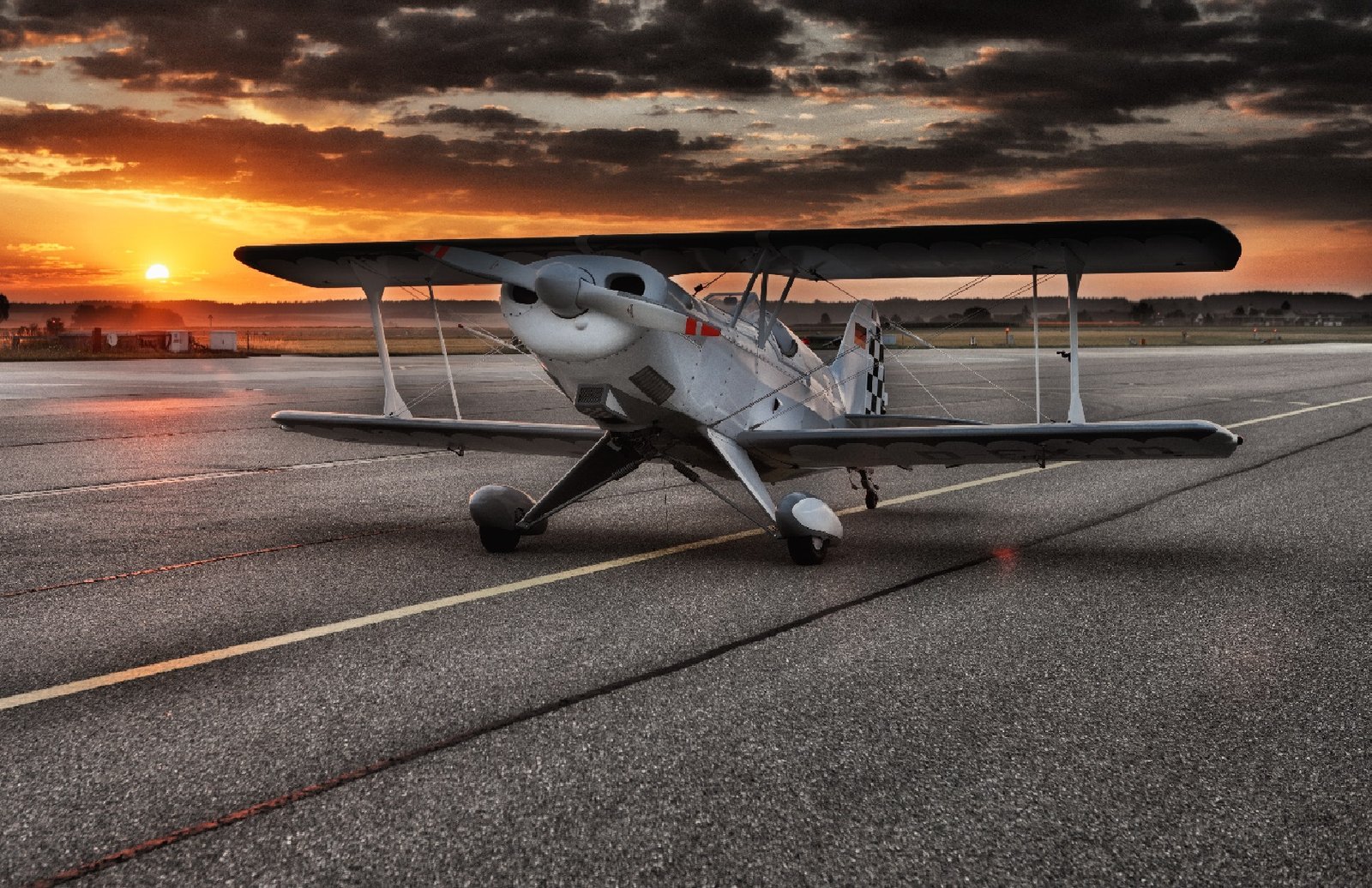
Introduction: In today's technology-driven world, the aviation industry heavily relies on advanced digital imaging techniques to ensure safety and optimize operational efficiency. The SIFT algorithm (Scale-Invariant Feature Transform) is a powerful tool that allows for robust and reliable image analysis in various domains, including aircraft monitoring and maintenance. In this article, we will explore how the SIFT algorithm can significantly contribute to enhancing aviation safety. 1. Understanding the SIFT Algorithm: The SIFT algorithm, developed by David Lowe in 1999, revolutionized computer vision and image analysis. It works by extracting distinctive features from images, regardless of their scale, orientation, or viewpoint. These features, called keypoints, provide a highly accurate representation of an object within an image and can be used for a variety of applications, including object recognition and tracking. 2. Applications of the SIFT Algorithm in the Aviation Industry: a) Aircraft Maintenance: Proper maintenance is crucial for ensuring the safety and reliability of aircraft. The SIFT algorithm can be utilized to identify and track specific parts or components within an aircraft, enabling maintenance crews to detect early signs of wear, damage, or malfunction. By analyzing images captured during routine inspections, potential issues can be identified and addressed proactively, reducing the risk of in-flight failures. b) Security and Surveillance: Airports and aviation facilities require robust security measures to protect passengers, staff, and assets. The SIFT algorithm can aid in object recognition, enabling effective monitoring of sensitive areas. By analyzing video feeds or images, it can detect suspicious objects, unauthorized access, or potential threats, allowing security personnel to respond promptly. c) Pilot Training: The SIFT algorithm can also play a vital role in pilot training programs. By using image analysis techniques, flight simulators can generate realistic and accurate visual representations of various scenarios, such as different weather conditions or system malfunctions. These simulations offer pilots the opportunity to experience and respond to challenging situations in a controlled environment, enhancing their skills and decision-making abilities. 3. Ensuring Accuracy and Reliability: The success of the SIFT algorithm relies on the availability of high-quality images. Factors such as lighting conditions, image resolution, and camera calibration can significantly impact the accuracy of feature extraction. Therefore, maintaining standardized imaging protocols and utilizing advanced imaging systems are essential to ensure reliable results. 4. Potential Challenges and Future Developments: While the SIFT algorithm has proven to be highly effective, there are ongoing challenges in its implementation for aviation applications. The processing time required to analyze large datasets can be a limitation, particularly in real-time applications. However, ongoing research and advancements in hardware and algorithms will likely overcome these challenges in the future. Conclusion: The SIFT algorithm has emerged as a crucial tool for enhancing aviation safety through image analysis. By enabling accurate and reliable feature extraction, it offers numerous benefits in aircraft maintenance, security, and pilot training. As technology continues to evolve, we can expect further developments in image analysis tools, enabling the aviation industry to achieve even greater levels of safety and efficiency. Discover more about this topic through http://www.jetiify.com this link is for more information http://www.vfeat.com


