The Influence of Political Movements and Ideologies on Aircraft Development
Category : |
Sub Category : Posted on 2023-10-30 21:24:53
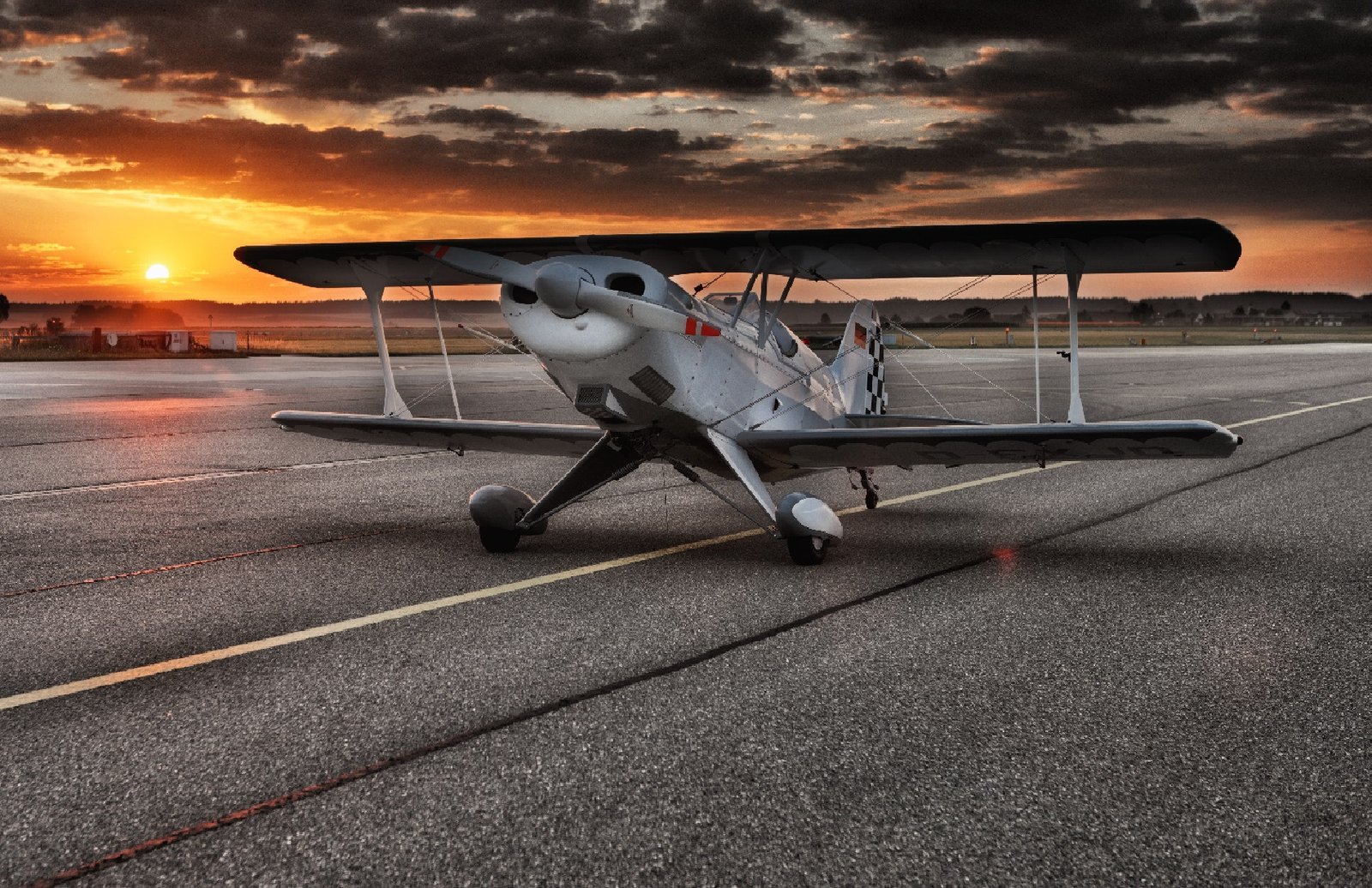
Introduction: The aircraft industry has been shaped and influenced by various political movements and ideologies throughout history. From the early days of aviation to the present, political factors have played a crucial role in the development, production, and use of aircraft. In this blog post, we'll explore how different political movements and ideologies have impacted the aircraft industry and its evolution. 1. Nationalism and the Rise of Military Aviation: Nationalism, particularly during periods of conflict and war, has been a driving force behind advancements in military aviation. In times of geopolitical tensions, governments have often invested heavily in aircraft technology to gain a military advantage over their adversaries. From the development of combat aircraft during World War I to the creation of strategic bombers during the Cold War, political ideologies rooted in nationalism have fueled the growth of military aviation. 2. Technological Competition and the Space Race: The ideological rivalry between the United States and the Soviet Union during the Cold War led to the infamous Space Race. This competition between superpowers not only extended to space exploration but also had a significant impact on aircraft development. The quest for technological superiority pushed both nations to invest heavily in aerospace research and development, resulting in breakthroughs in supersonic flight, stealth technology, and advanced materials. 3. Global Cooperation and Commercial Aviation: While political ideologies have often fueled military aviation, global cooperation and open-market policies have played a significant role in the development of commercial aviation. The liberalization of the airline industry in the late 20th century allowed for the growth of international carriers and the expansion of air travel. Agreements such as Open Skies and the establishment of international aviation regulators have facilitated the safe and efficient movement of passengers and goods across borders. 4. Environmental Concerns and Sustainable Aviation: In recent years, political movements focused on environmental conservation and sustainability have had a considerable impact on the aircraft industry. The aviation sector has faced increasing pressure to reduce its carbon footprint and mitigate the environmental impact of air travel. This has led to advancements in aircraft design, the adoption of alternative fuels, and the development of more fuel-efficient engines. Political initiatives such as carbon offset programs and emissions trading schemes are also shaping the future of aviation. Conclusion: Political movements and ideologies have long influenced the trajectory of the aircraft industry. From military advancements driven by nationalism to international cooperation in commercial aviation, political factors have shaped the aircraft's technological evolution. As the world grapples with environmental challenges, political movements focused on sustainability are also driving innovation in aircraft design and operations. Understanding the interplay between politics and aviation is crucial in navigating the ever-changing landscape of aircraft development and ensuring a sustainable future for air travel. Get a comprehensive view with http://www.jetiify.com If you are enthusiast, check the following link http://www.culturepolitics.com


