The Electrifying Future of Aircrafts: Taking Flight with Electric Vehicles
Category : |
Sub Category : Posted on 2023-10-30 21:24:53
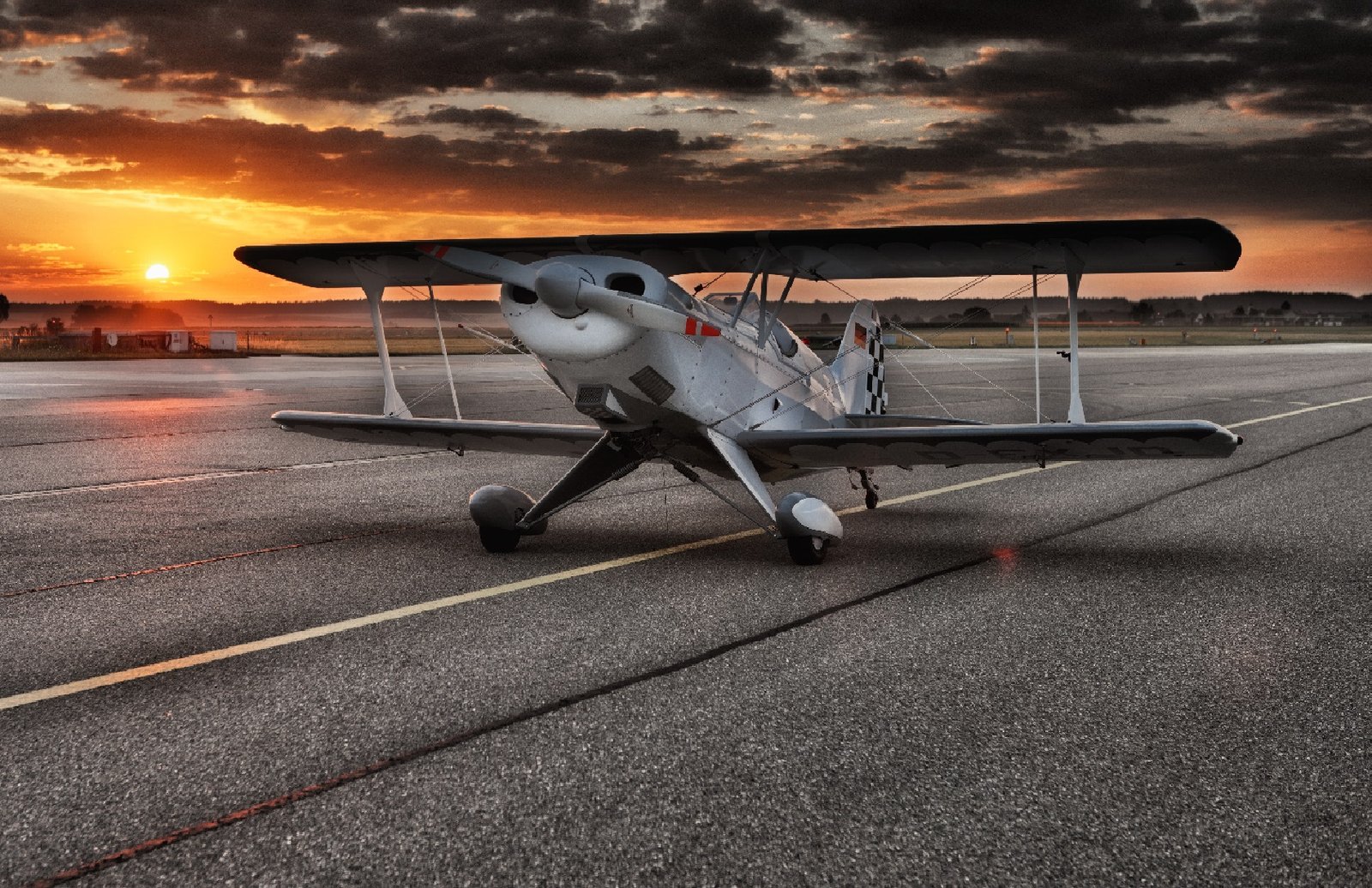
Introduction: As the world becomes more conscious about the environmental impact of traditional transportation systems, the need for sustainable alternatives is on the rise. Electric vehicles (EVs) have gained significant popularity in the automotive industry, but did you know that the electrification revolution is spreading its wings into the sky as well? That's right; aircraft manufacturers are now exploring the potential of electric vehicles in aviation. In this blog post, we will delve into the electrifying future of aircraft and explore how electric vehicles may reshape air travel. 1. The Rise of Electric Aircraft: Electric aircraft are envisioned as a cleaner and more sustainable alternative to traditional fossil fuel-powered planes. These aircraft use electric propulsion systems, relying on batteries and electric motors to generate thrust and power. The concept of electric aircraft is not entirely new, as experimental prototypes have been around for over a decade, but recent advancements in battery technology have made electric aviation more practical and viable. 2. Advantages of Electric Aircraft: a) Environmental Benefits: One of the primary advantages of electric aircraft is their significantly reduced carbon footprint. By eliminating or minimizing the use of fossil fuels, electric aviation can potentially reduce greenhouse gas emissions and mitigate climate change. b) Reduced Noise Pollution: Another benefit of electric aircraft is their quieter operation compared to traditional planes. The absence of roaring jet engines can lead to a more pleasant flying experience for passengers and reduced noise pollution for communities near airports. c) Lower Operating Costs: Electric aircraft can potentially offer lower operating costs in the long run. While the initial investment may be higher, the savings on fuel and maintenance costs can offset the initial expense, making electric aviation more economically attractive. 3. Current Developments and Challenges: a) Urban Air Mobility: Electric aircraft could revolutionize the concept of urban air mobility, enabling short-haul flights between cities and suburban areas. Companies like Volocopter and Lilium are already working on electric Vertical Take-Off and Landing (eVTOL) aircraft, which could provide fast and efficient transportation within metropolitan regions. b) Range Limitations: One of the significant challenges for electric aircraft is their limited range compared to traditional planes. However, advancements in battery technology are continuously pushing the boundaries, and we are witnessing increased range capabilities. It is expected that future developments will enable electric aircraft to compete with traditional airplanes in terms of range and endurance. c) Infrastructure and Charging: The widespread adoption of electric aircraft will require significant investments in charging infrastructure. Developing efficient charging systems and building a network of charging stations at airports and other key locations will be crucial to support the growth of electric aviation. 4. Future Outlook: Although electric aircraft are still in their early stages of development, the future looks promising. Major aircraft manufacturers like Airbus and Boeing have already initiated research and development into electric flight technologies. We can anticipate the gradual electrification of various aircraft types, ranging from small personal aircraft to larger commercial planes. The transition to an electric future may take time, but with the collective efforts of the aviation industry and advancements in technology, electric vehicles are set to transform air travel. Conclusion: Electric vehicles have transformed land-based transportation and are now poised to revolutionize air travel. Electric aircraft offer a sustainable and eco-friendly alternative to traditional planes, with advantages such as reduced emissions, noise pollution, and potential cost savings. While there are challenges to overcome, the future of electric aircraft looks promising. Get ready to experience a new era of flights that are cleaner, quieter, and environmentally friendly. Buckle up; we're taking off into an electrifying future! Want a deeper understanding? http://www.jetiify.com More about this subject in http://www.nubland.com


