Navigating the Skies: Advanced Navigation Systems in Aircraft, Drones, and UAVs
Category : |
Sub Category : Posted on 2023-10-30 21:24:53
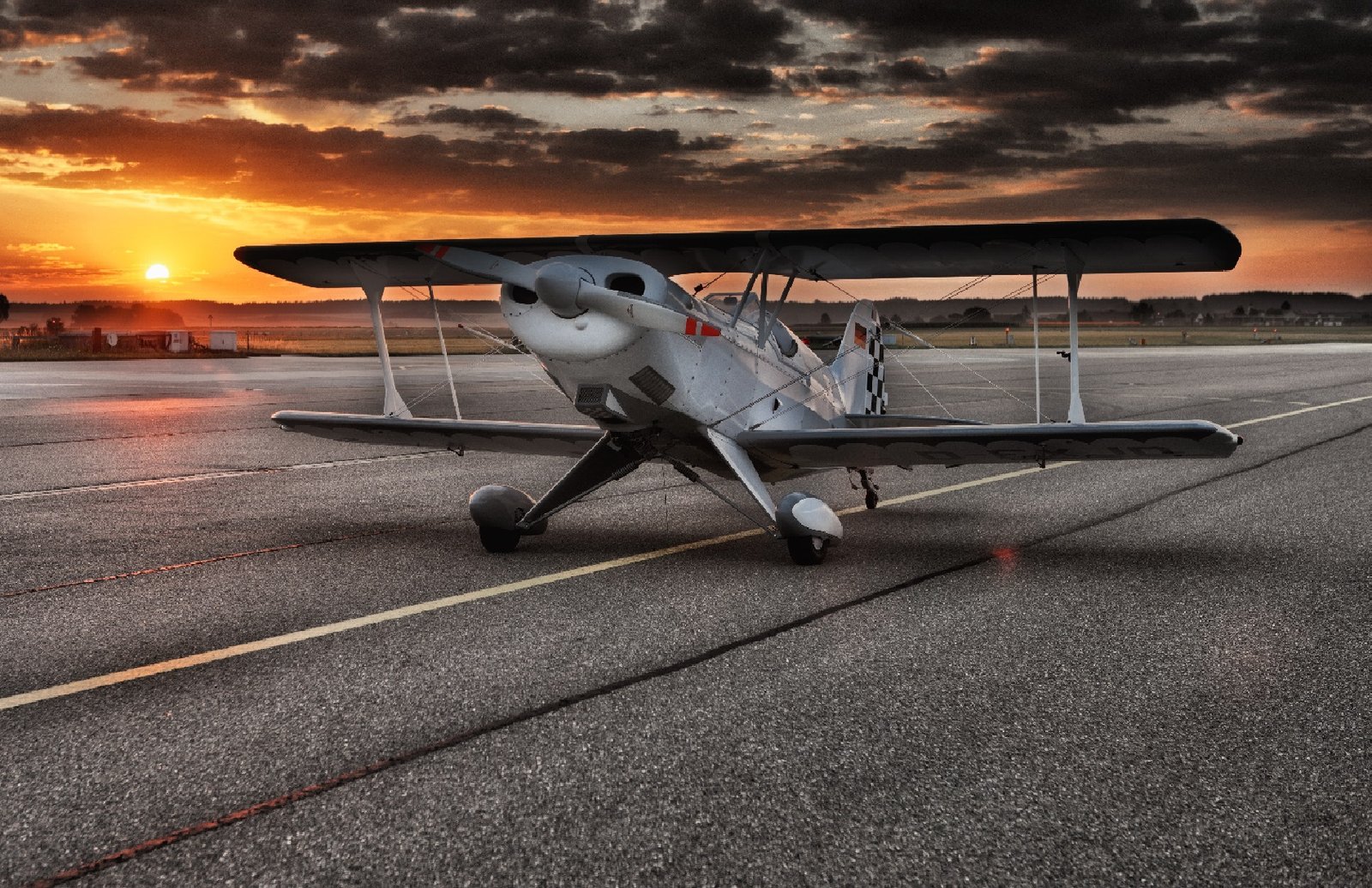
Introduction: The evolution of navigation systems has played a crucial role in the aviation industry. From traditional aircraft to modern-day drones and unmanned aerial vehicles (UAVs), these systems have become smarter, more precise, and more dependable. In this blog post, we will explore the advancements in navigation systems for aircraft, drones, and UAVs, and how they enable safe and efficient operation in the skies. 1. Aircraft Navigation Systems: Aircraft navigation systems have come a long way from relying solely on rudimentary instruments. Today, modern aircraft are equipped with advanced navigation systems that utilize various technologies such as GPS (Global Positioning System), inertial navigation systems, and radar. These systems provide pilots with accurate real-time information about their position, altitude, and heading, enabling them to navigate through the sky confidently and safely. 2. Drone Navigation Systems: Drones, also known as unmanned aerial vehicles (UAVs), have become increasingly popular for both recreational and commercial purposes. To safely maneuver these aircraft without human intervention, drones rely on sophisticated navigation systems. These systems use a combination of GPS, sensors, and onboard cameras to track the drone's position, avoid obstacles, and maintain stability. Additionally, advanced algorithms enable drones to perform complex flight maneuvers, follow pre-programmed routes, or even autonomously land at a specific location. 3. Navigation Systems for UAVs: Unmanned Aerial Vehicles (UAVs) play a critical role in various industries, such as agricultural monitoring, aerial photography, search and rescue operations, and even package delivery. To ensure the efficient and reliable operation of UAVs, navigation systems are essential. GPS plays a key role in providing accurate positioning information, while advanced algorithms enable UAVs to optimize flight paths, avoid collisions, and adapt to changing environmental conditions. These systems increase the safety and efficiency of UAV operations, allowing them to perform tasks that were once only possible with manned aircraft. 4. Challenges and Future Developments: Although navigation systems for aircraft, drones, and UAVs have made significant advancements, there are still challenges to overcome. Integration of navigation systems with air traffic management, efficient battery usage for drones and UAVs, and ensuring cybersecurity are areas that require continued research and development. Additionally, the increasing integration of artificial intelligence and machine learning algorithms will further enhance the capabilities of these navigation systems, making them even more intelligent and adaptable. Conclusion: The navigation systems used in aircraft, drones, and UAVs have revolutionized the aviation industry, providing pilots and operators with accurate and real-time information crucial for safe and efficient operation. As technology advances, these systems will only become more sophisticated, enabling aircraft, drones, and UAVs to navigate with greater precision, avoid obstacles, and adapt to changing conditions. With the continuous development of navigation systems, the sky is bound to become an even safer and more accessible environment for all aerial vehicles. For more information: http://www.jetiify.com


