The Intersection of Aircrafts and Democracy: Exploring the Role of Aviation in Building a Sustainable Society
Category : |
Sub Category : Posted on 2023-10-30 21:24:53
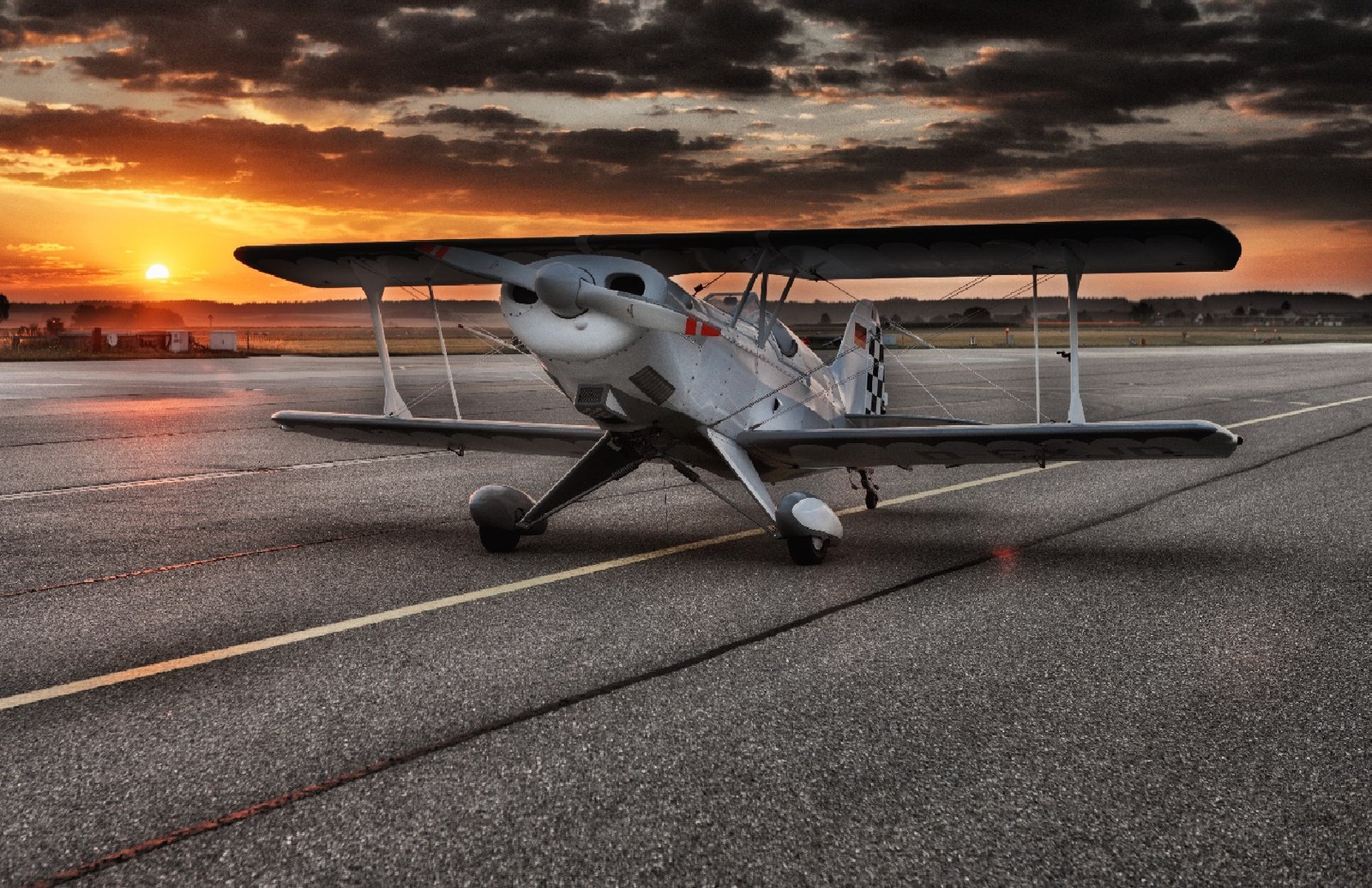
Introduction: In today's interconnected world, aircrafts and democracy play integral roles in shaping our societies. While they may seem unrelated on the surface, aviation and democracy are intertwined in numerous ways. From facilitating global travel and trade to operating under regulatory frameworks, aircrafts are deeply influenced by democratic principles. In this blog post, we'll explore the fascinating relationship between aircrafts and democracy, shedding light on their mutual benefits and underlying challenges. 1. Promoting Global Connectivity: Aircrafts have revolutionized global connectivity, fostering relationships and cultural exchange among nations. Democracies across the globe recognize the importance of this connectivity and have devised policies to ensure fair and equal access to aviation services. Open skies agreements, for instance, are a prime example of how democratic nations strive to reduce barriers and allow airlines to operate freely between countries. By promoting mutual cooperation and removing restrictions, these agreements have significantly contributed to economic growth and international understanding. 2. Democratizing Travel: The rise of budget airlines and low-cost carriers has democratized air travel, making it accessible to a wider range of individuals. As democracies prioritize inclusivity and equal opportunities, affordable air travel has opened up new horizons for individuals who previously couldn't afford it. This has not only boosted tourism but has also facilitated global business connections, educational opportunities, and cultural exchanges. By leveling the playing field and enabling more people to enjoy the benefits of air travel, democracy has helped foster a more interconnected world. 3. Addressing Environmental Challenges: However, the environmental impact of aviation presents a significant challenge that democracies need to address. While the growth of air travel has benefited individuals and businesses, it has also contributed to carbon emissions and climate change. As democracies are built on the principles of citizen participation, it becomes essential to involve stakeholders in finding sustainable solutions. Democratically-elected governments are actively exploring cleaner technologies, investing in research and development, and implementing stricter regulations to reduce aviation's carbon footprint. By doing so, they demonstrate their commitment to environmental stewardship while acknowledging the importance of preserving air travel's benefits for future generations. 4. Ensuring Safety and Security: Maintaining robust safety and security measures is crucial in the aviation industry. Democracies prioritize the safety of their citizens, recognizing that public trust is essential for the smooth operation of the sector. Democratic nations establish regulatory bodies, develop stringent safety protocols, and invest in advanced technologies to enhance security. This commitment to safety ensures that air travel remains reliable and secure, promoting confidence among passengers and industry stakeholders. Conclusion: The relationship between aircrafts and democracy is multi-faceted, interweaving global connectivity, travel accessibility, environmental responsibility, safety, and security. Democratic nations strive to balance the benefits of aviation while mitigating its challenges. By implementing regulatory frameworks, promoting sustainable practices, and fostering international cooperation, democracies aim to create a more equitable and sustainable aviation industry. As air travel continues to evolve, the democratic ideals of inclusivity, transparency, and citizen participation will play an integral role in shaping the future of aviation. Have a visit at http://www.jetiify.com Want to know more? Don't forget to read: http://www.culturepolitics.com


