Deepfake Technology and Its Implications in the Aircraft Industry
Category : |
Sub Category : Posted on 2023-10-30 21:24:53
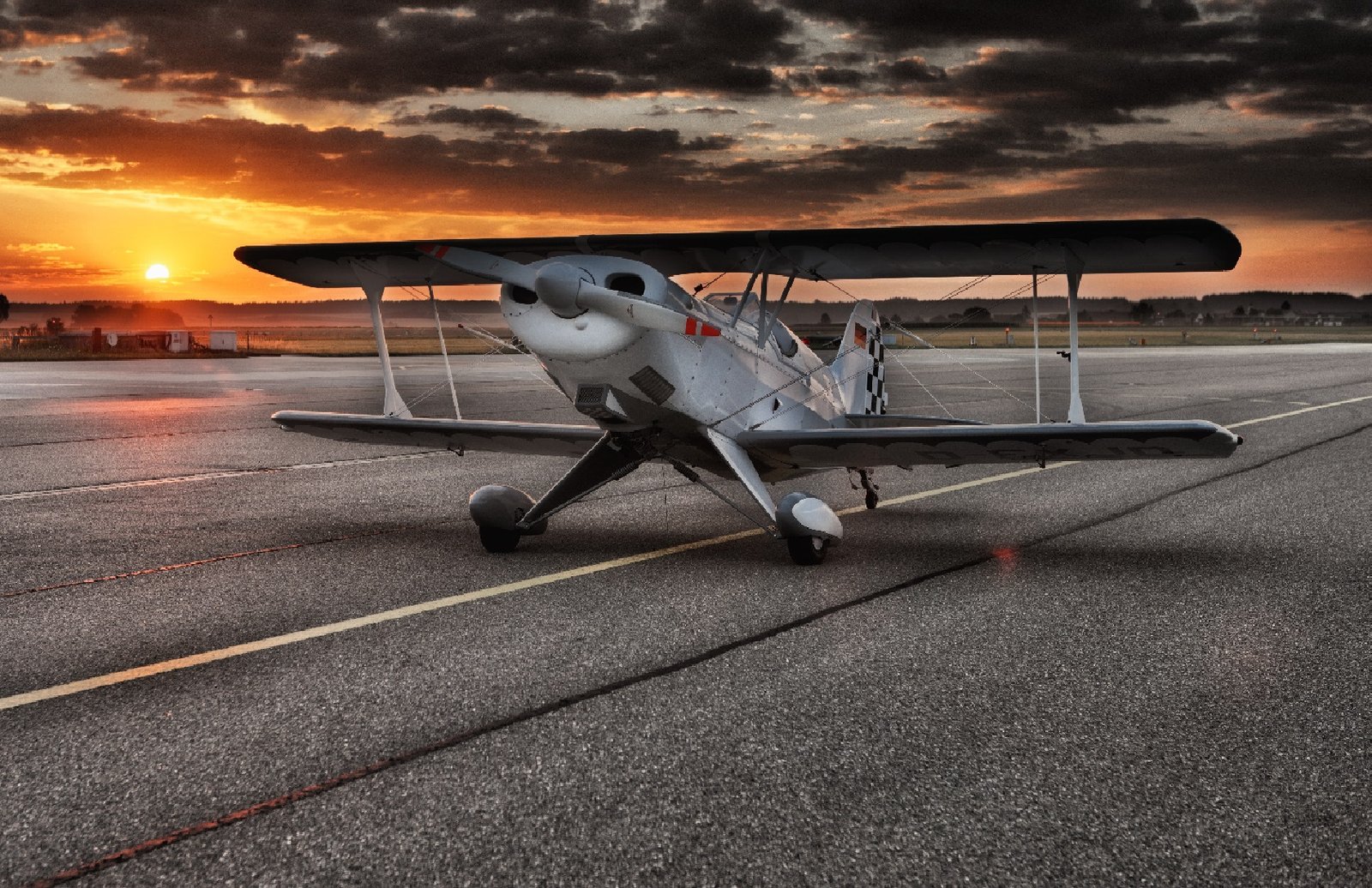
Introduction In recent years, deepfake technology has gained significant attention for its ability to manipulate images, audio, and video in an increasingly realistic manner. While deepfakes have been primarily associated with politics, entertainment, and social media, their potential impact on the aircraft industry cannot be overlooked. In this blog post, we will explore the concept of deepfake technology and discuss its implications for aircrafts. Understanding Deepfake Technology Deepfake technology utilizes artificial intelligence algorithms, particularly deep learning models, to fabricate or alter media content, making it appear authentic and genuine. By employing advanced computer vision techniques, deepfakes can seamlessly replace faces, voices, or even entire personas in videos, audio clips, or images. Implications for Aircrafts 1. Security Threats: One of the most significant concerns surrounding deepfake technology in the aircraft industry is its potential use in security breaches. With the ability to create highly convincing fake identities, criminals could bypass security checks or gain unauthorized access to restricted areas within aircrafts. This poses a significant risk to passenger safety and overall aviation security. 2. Pilot Training and Simulation: Deepfake technology can be leveraged to create highly realistic virtual simulations for pilot training. Pilots can benefit from simulated scenarios that accurately mimic various flight conditions, emergency situations, and challenging weather conditions. This immersive training environment can enhance pilot skills, decision-making abilities, and overall flight safety. 3. Maintenance and Repairs: Deepfake technology can also be applied to streamline aircraft maintenance and repairs. By generating lifelike simulations and visualizations, engineers and technicians can accurately identify and diagnose complex issues, reducing downtime and improving operational efficiency. 4. Flight Simulators: Deepfake technology can improve the realism and fidelity of flight simulators used for pilot training and proficiency checks. By accurately recreating cockpit environments and weather conditions, pilots can experience highly realistic flight scenarios, contributing to better preparedness and safety. 5. Augmented Reality in Cabin Crew Training: Deepfake technology, combined with augmented reality (AR), can revolutionize cabin crew training. By overlaying virtual avatars that mimic passenger behaviors, crew members can practice handling challenging situations, such as medical emergencies, disruptive passengers, or evacuations, in a realistic and safe virtual environment. Addressing the Challenges While deepfake technology offers numerous potential benefits, it also presents unique challenges. Robust measures must be put in place to detect and mitigate deepfake threats in aviation, including advanced biometric authentication systems, multi-layered security protocols, and continuous updates to security frameworks. Conclusion Deepfake technology has the power to significantly impact the aircraft industry, both positively and negatively. While it can enhance pilot training, maintenance procedures, and cabin crew simulations, it also poses security threats that need to be addressed promptly. As the technology continues to evolve, industry stakeholders must remain vigilant, stay updated on emerging security measures, and adapt to the changing landscape to ensure the safe and secure operation of aircrafts in the future. Check the link below: http://www.jetiify.com Visit the following website http://www.semifake.com


