The Importance of Color Theory in Aircraft Design
Category : |
Sub Category : Posted on 2023-10-30 21:24:53
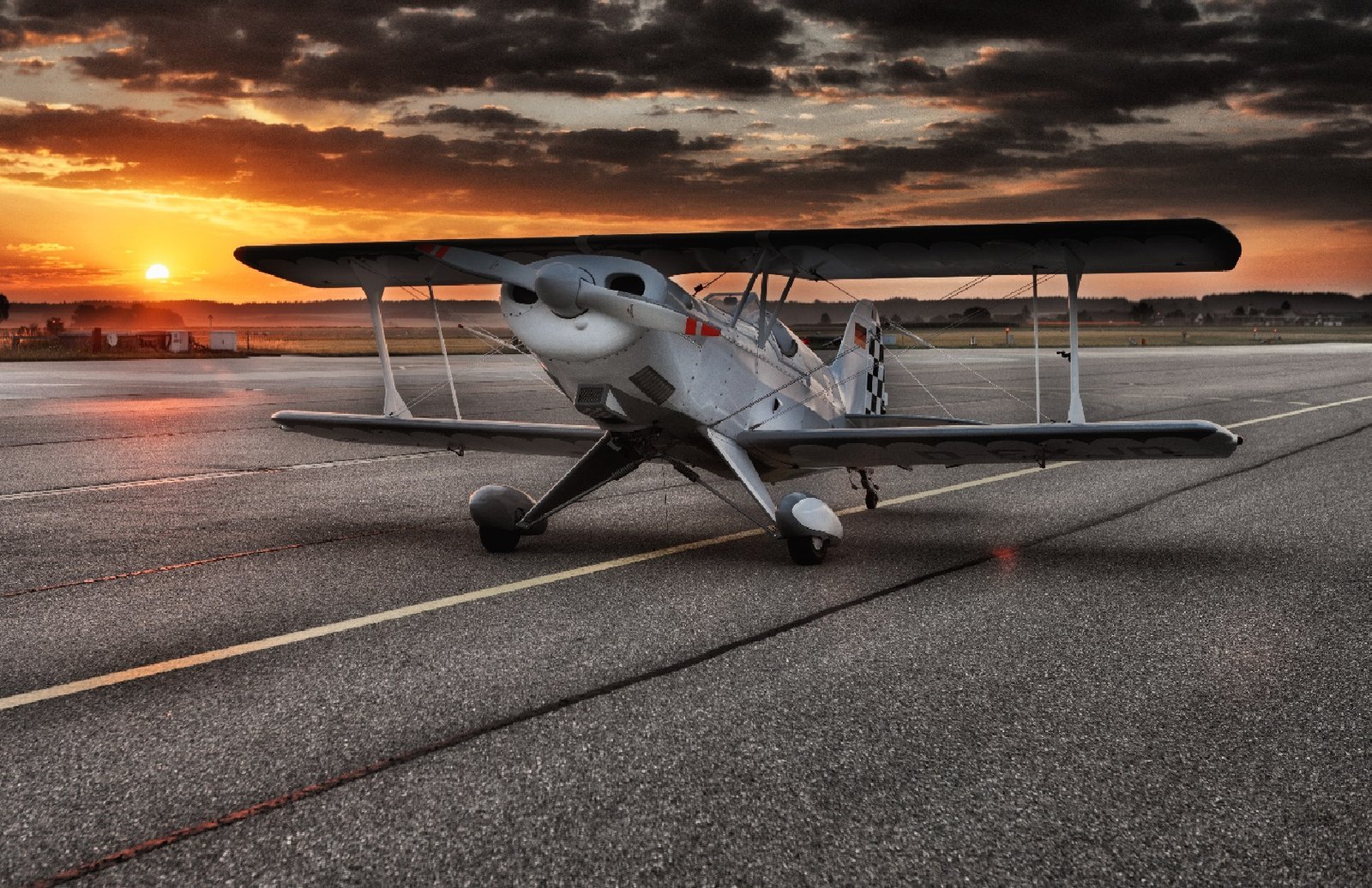
When it comes to aircraft design, aesthetics and functionality go hand in hand. Not only do aircraft need to be structurally sound and aerodynamically efficient, but they also need to look visually appealing. This is where the concept of color theory comes into play. Color theory is the study of how colors can evoke emotions, convey messages, and create certain moods. It plays a crucial role in a variety of industries, including graphic design, fashion, and yes, even aircraft design. The choice of colors used in an aircraft's livery can have a significant impact on its overall appearance and the image it projects. One of the primary considerations when deciding on the color scheme for an aircraft is branding. Airlines, military organizations, and private jet owners often have specific brand identities and color palettes that need to be incorporated into the design. The colors chosen must align with the brand's values and evoke the desired emotions. For example, a luxury airline may opt for a sleek and sophisticated color combination of black and gold, while a budget airline may go for bright, vibrant colors to convey a sense of energy and excitement. Another important factor to consider is the visibility and recognition of an aircraft. In the vast sky, it's crucial for aircraft to be easily identifiable, especially for air traffic control and other pilots. This is where color theory comes into play, as certain color combinations can enhance visibility and make an aircraft stand out. Bright colors such as red and yellow are often used for warning signs or emergency equipment, as they naturally draw attention. Additionally, the psychological impact of color cannot be overlooked. Different colors have been found to evoke specific emotions and moods. For instance, blue is often associated with calmness and trust, while red can signify power or danger. Airlines may strategically choose colors that align with the emotions they want their passengers to feel during their journey. Soft, soothing colors may be used in the cabin to promote relaxation, while bold and vibrant colors may be employed in the branding to create a sense of excitement and adventure. Color theory also plays a role in aircraft camouflage. Military aircraft, in particular, require camouflage to blend in with their surroundings and avoid detection. By understanding how colors interact with their environment, designers can create camouflage patterns that help aircraft go unnoticed. In conclusion, color theory is a crucial consideration in aircraft design. It plays a role in branding, visibility, recognition, and psychology. By understanding how colors can evoke emotions and convey messages, aircraft designers can create visually appealing and functional aircraft. So the next time you look up at the sky and see a beautifully colored aircraft soaring overhead, know that color theory played a significant role in its design. also for more info http://www.jetiify.com Get a well-rounded perspective with http://www.colorsshow.com


