Exploring the Fascinating World of Aircraft Colors and Psychology
Category : |
Sub Category : Posted on 2023-10-30 21:24:53
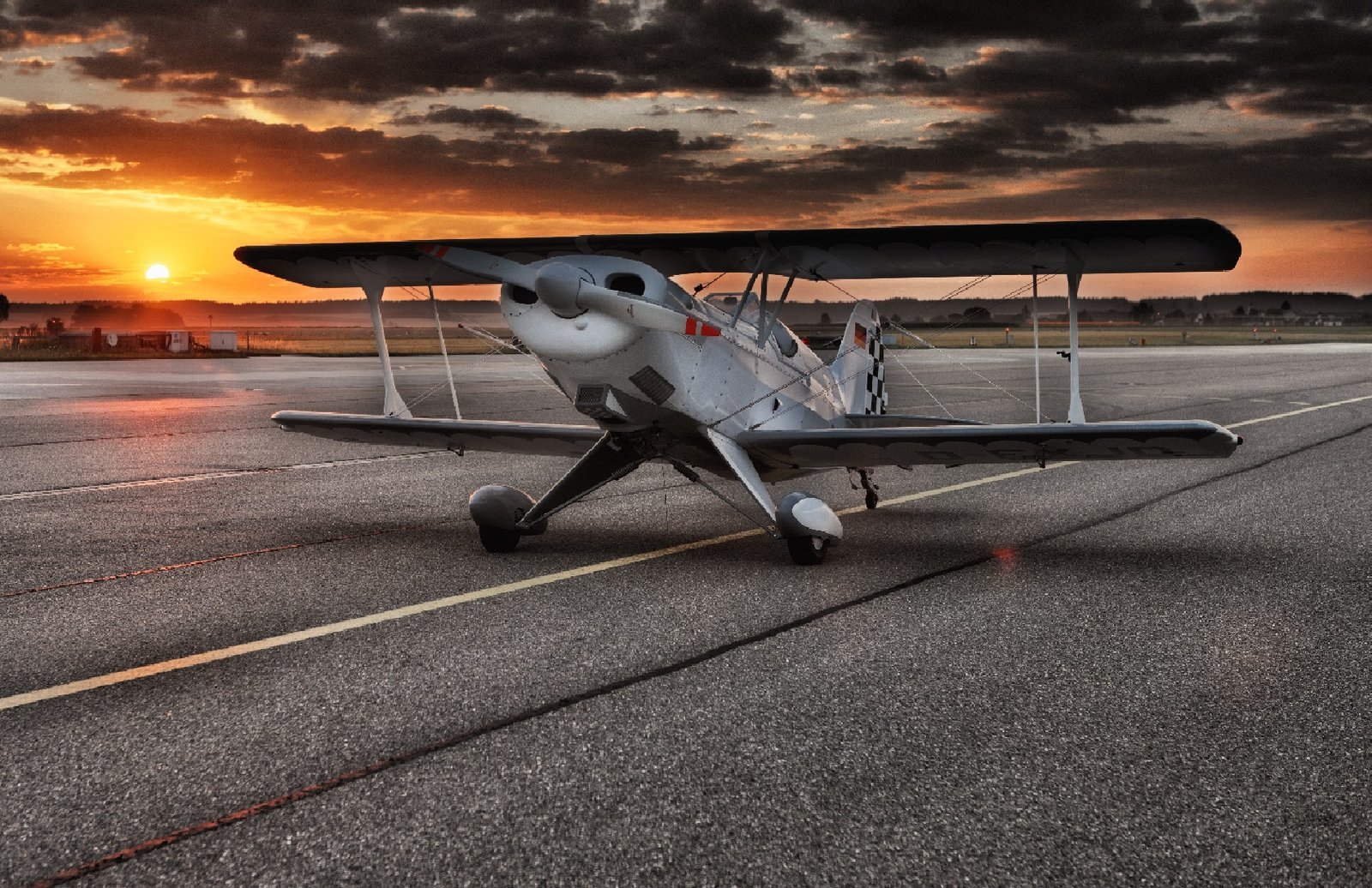
Have you ever noticed the vibrant colors and striking designs painted on aircraft? These visuals not only enhance the overall aesthetics but also serve a greater purpose in the world of aviation. Aircraft colors have a profound impact on our emotions, psychology, and even safety. In this blog post, we will delve into the fascinating realm of aircraft color psychology. Colors have the power to evoke strong emotions and influence human behavior. This concept applies equally to aircraft, where color choices play a crucial role in creating a unique identity and enhancing safety measures. Let's start with classic aircraft color schemes. One of the most iconic and commonly seen colors on aircraft is white. White symbolizes purity, safety, and simplicity. It is also associated with a sense of calmness and tranquility. The use of white on the exterior of an aircraft helps to reflect sunlight and minimize the absorption of heat, thus ensuring optimum safety and comfort for passengers and crew. In addition to white, many commercial airlines feature vibrant colors in their branding. These colorful liveries not only make aircraft visually appealing but also have psychological implications. Bold and eye-catching colors like red, yellow, and orange stimulate excitement, energy, and enthusiasm. These airlines aim to create a memorable experience for passengers as they step on board their vividly painted aircraft. On the contrary, some airlines opt for more muted colors such as shades of blue and gray. These colors evoke a sense of professionalism, reliability, and trustworthiness. They create a more sophisticated and understated appearance, reflecting the airline's commitment to safety and efficiency. Interestingly, military aircraft have their own distinct color psychology. Camouflage patterns, typically found on combat planes, are designed to blend seamlessly with the surroundings and conceal the aircraft from enemies. These patterns are meant to disrupt the visual perception and make it challenging for adversaries to detect the aircraft. The colors used, such as dark greens, browns, and grays, help to break up the aircraft's silhouette, providing a strategic advantage during military operations. Color psychology doesn't just stop at the exterior of the aircraft. The interior design and color choices are equally important, especially in the realm of passenger comfort. Cool and calm colors like blue and green are often used in cabin interiors as they promote a relaxing and soothing environment. Warm colors like red and yellow are utilized in various elements, such as seat covers and lighting, to create a sense of warmth and comfort. Furthermore, aircraft interiors often incorporate neutral colors like beige, gray, and cream to create a timeless and versatile space. These colors are less likely to clash with different airline branding and provide a neutral backdrop for passengers to personalize their experience. In conclusion, the world of aircraft colors and psychology is a captivating subject. Whether it's the branding of commercial airlines or the camouflage patterns of military aircraft, color choices elicit specific emotions and serve a broader purpose in the aviation industry. Understanding the impact of color psychology allows us to appreciate the thought and significance behind the striking aircraft designs we encounter every day. For a detailed analysis, explore: http://www.jetiify.com For a deeper dive, visit: http://www.colorsshow.com


