Exploring the Artistry of Chinese Calligraphy in Aircraft Design
Category : |
Sub Category : Posted on 2023-10-30 21:24:53
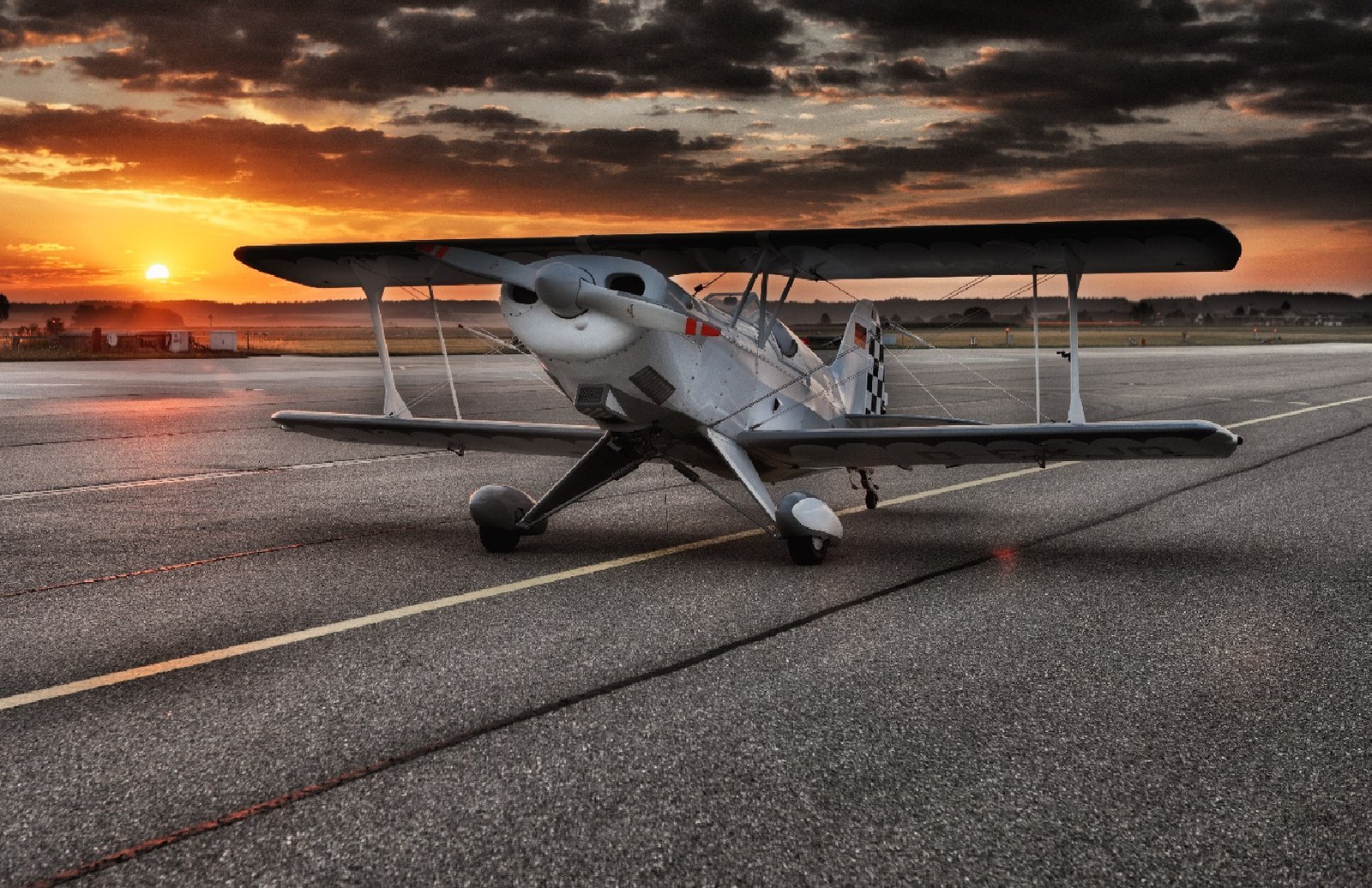
Chinese calligraphy is not just limited to paper and ink, but also finds its way into various aspects of Chinese culture, including aircraft design. In recent years, several aircraft manufacturing companies in China have incorporated the aesthetics of Chinese calligraphy into their designs, creating a unique fusion of art and engineering. This innovative approach not only adds a touch of elegance to the aircraft's exterior but also showcases China's rich cultural heritage to the world. Chinese calligraphy, an ancient art form that dates back thousands of years, has always been highly regarded for its visual beauty and cultural significance. It is considered a reflection of the artist's inner emotions and character, with each stroke carrying its own meaning and symbolism. The intricate brushwork and graceful lines of Chinese calligraphy have now found a new canvas in the form of aircraft exteriors. One notable example is the "Chinese Calligraphy Express" project by the Commercial Aircraft Corporation of China (COMAC). In collaboration with renowned calligraphers, COMAC designed and painted calligraphy-inspired motifs on the exteriors of their aircraft. These designs not only showcase the beauty of Chinese calligraphy but also highlight the company's commitment to showcasing Chinese cultural heritage. The use of Chinese calligraphy in aircraft design goes beyond just aesthetics; it also serves as a reminder of the importance of balance and harmony. The strokes and characters used in calligraphy are carefully crafted to create a sense of equilibrium and flow, which are essential in aviation as well. The incorporation of such elements in aircraft design not only adds cultural depth but also symbolizes the pursuit of balance and safety in flight. Apart from COMAC, other Chinese airlines have also embraced the use of Chinese calligraphy in their aircraft liveries. For instance, China Eastern Airlines introduced a series of aircraft called "Magic Blue," featuring calligraphy-inspired designs on the tail and fuselage. This initiative aimed to promote Chinese culture and strengthen the airline's brand identity. The growing trend of incorporating Chinese calligraphy into aircraft design not only captivates passengers but also serves as a testament to China's rich cultural heritage. It provides a unique and creative platform for calligraphers to share their artwork with a global audience. Moreover, it helps to differentiate Chinese-made aircraft from competitors and showcases the country's dedication to innovation and artistic expression. In conclusion, the fusion of Chinese calligraphy and aircraft design represents a captivating blend of art and engineering. By incorporating this ancient art form, Chinese aircraft manufacturers are not only adding beauty to their creations but also paying homage to their cultural roots. This innovative approach not only captivates the eyes of onlookers but also showcases China's commitment to preserving and promoting its rich heritage on a global scale. More in http://www.jetiify.com For a comprehensive review, explore http://www.soitsyou.com


