Enhancing Aerial Photography: Everything You Need to Know About Aircraft Camera Mounts and Clamps
Category : |
Sub Category : Posted on 2023-10-30 21:24:53
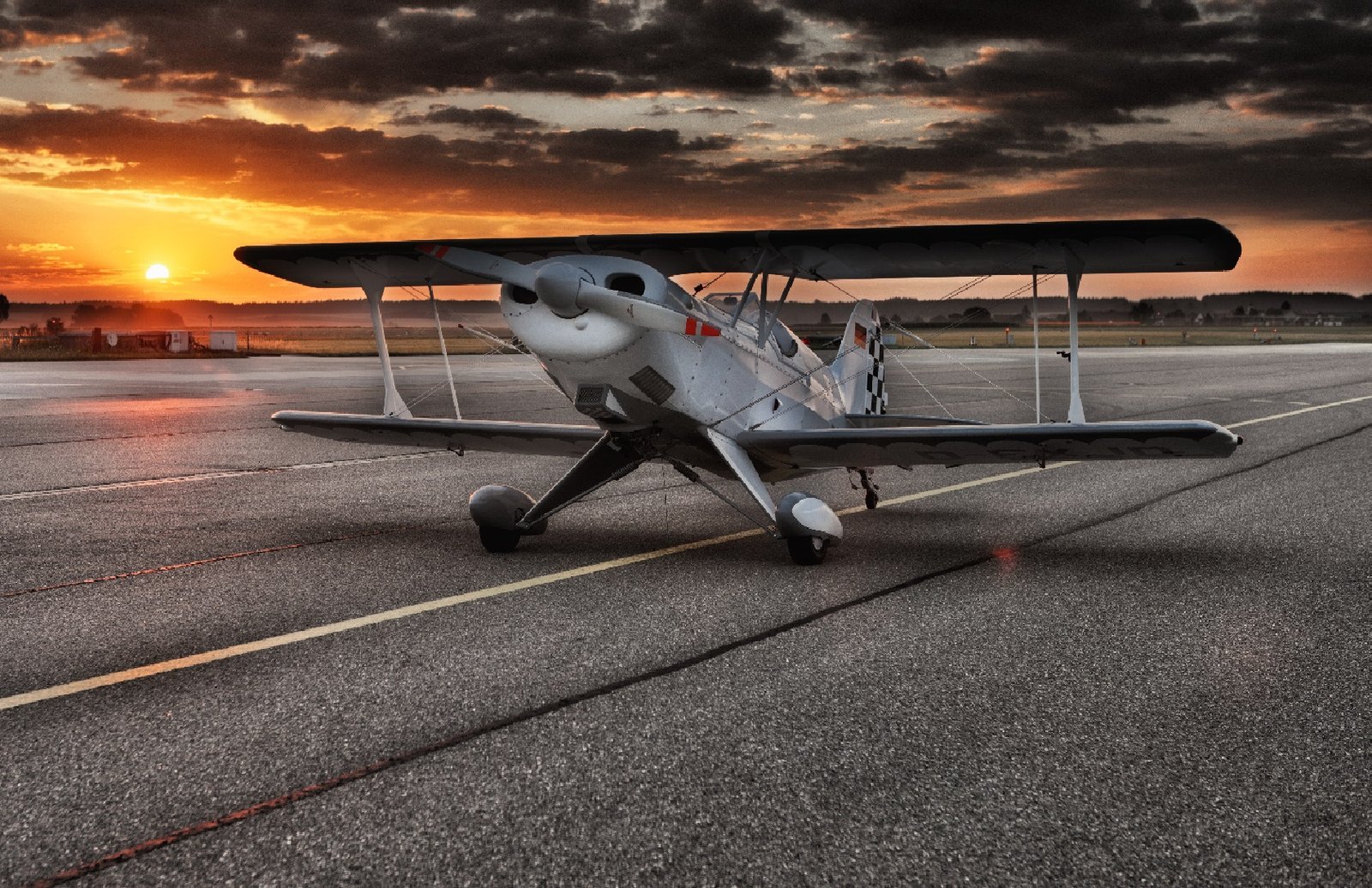
Introduction: In the world of aviation photography, capturing stunning aerial shots is a challenging but rewarding endeavor. One crucial aspect that can significantly enhance the quality and stability of aerial images is the use of camera mounts and clamps. In this blog post, we will explore the importance of camera mounts and clamps for aircraft, their different types, and how they revolutionize aerial photography. 1. Introduction to Aircraft Camera Mounts and Clamps: Aircraft camera mounts and clamps are specialized equipment designed to hold cameras securely in place during flight. They provide stability, reduce vibrations, and allow photographers to capture clear and sharp images from above. These mounts and clamps are typically lightweight, durable, and built to withstand the rigors of aviation. 2. Types of Camera Mounts and Clamps: a) Gimbal Systems: Gimbal systems are the most common type of camera mounts used in aviation photography. They enable 360-degree rotation and stabilization of the camera, ensuring steady footage even during aircraft movements. Gimbal systems can be either single-axis or multi-axis, depending on the photographer's needs. b) Suction Cup Mounts: Suction cup mounts are versatile and easy to use. They attach securely to aircraft windows, providing photographers with a stable platform for capturing breathtaking aerial shots. However, it is important to ensure that the suction cup is of high quality and properly installed to prevent any accidents. c) Clamp Mounts: Clamp mounts are designed to attach cameras to various parts of an aircraft, such as wings, landing gear, or fuselage. These mounts offer flexibility in positioning the camera and allow photographers to capture unique angles and perspectives. Clamp mounts are popular among aviation photographers who need specific shots of aircraft structures or aerial activities. d) Shock Mounts: Shock mounts are essential for reducing vibrations and dampening the impact of turbulence on the camera. They are often used in conjunction with other camera mounts to ensure the highest level of stability during flight. Shock mounts absorb shocks and vibrations, resulting in sharper images and smoother footage. 3. Benefits of Using Camera Mounts and Clamps: a) Increased Stability: Camera mounts and clamps provide superior stability, significantly reducing the chances of blurry or distorted aerial images. They counteract aircraft vibrations and movements, allowing photographers to capture clear and sharp shots. b) Flexibility: Different types of camera mounts and clamps offer photographers the flexibility to capture unique perspectives and angles. By attaching cameras securely to various parts of the aircraft, photographers can achieve shots that were previously impossible. c) Safety: Ensuring the security of cameras during flight is crucial to prevent accidents and protect equipment. Camera mounts and clamps are designed to firmly hold cameras in place, decreasing the risk of damage or loss during turbulent conditions. Conclusion: Aircraft camera mounts and clamps are essential tools for photographers aiming to capture stunning aerial shots. By providing stability, flexibility, and increased safety, these mounts revolutionize aviation photography, enabling photographers to push the boundaries of creativity. Whether using gimbal systems, suction cup mounts, clamp mounts, or shock mounts, incorporating these tools into aerial photography setups is a surefire way to elevate the quality of images and videos captured from above. Want to gain insights? Start with http://www.jetiify.com If you are enthusiast, check this out http://www.fmount.net


