The Marvels of Aircraft Camera Lenses: Capturing the Skies in Stunning Detail
Category : |
Sub Category : Posted on 2023-10-30 21:24:53
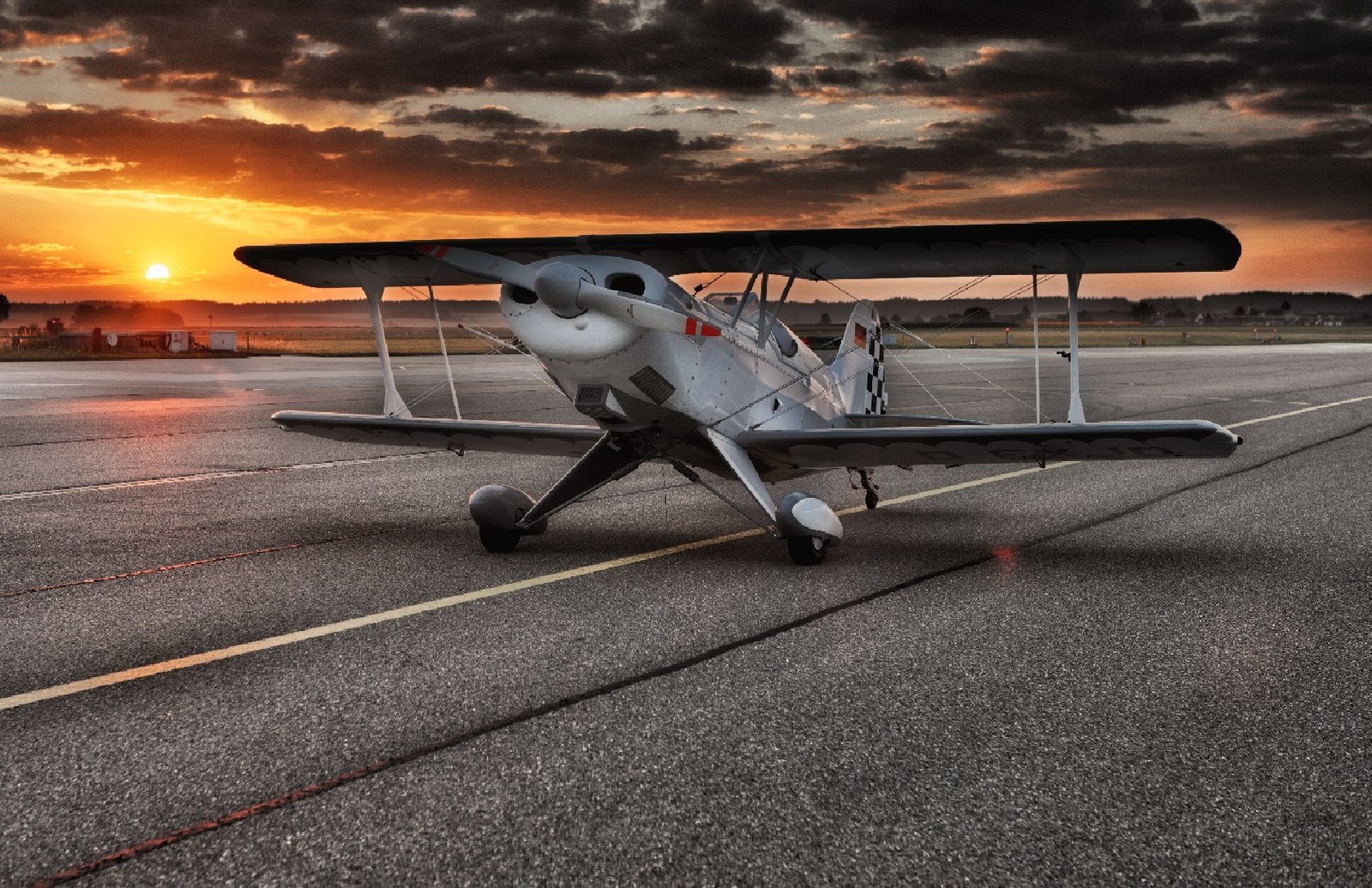
Introduction: The world of aviation has always been a source of fascination for many. From the beautifully engineered aircraft to the breathtaking scenic views from above, there is something inherently captivating about the skies. One crucial component that allows aviation enthusiasts and professionals alike to capture these aerial wonders is the aircraft camera lens. In this blog post, we'll explore the world of aircraft camera lenses - their importance, capabilities, and how they enable us to capture the skies in stunning detail. 1. The Importance of Aircraft Camera Lenses: Aircraft camera lenses play a critical role in aerial photography, offering unique perspectives from thousands of feet above the ground. They allow photographers to capture breathtaking images of landscapes, cityscapes, clouds, and even other aircraft, providing a sense of freedom, adventure, and wonder. The lenses used in aircraft cameras must be specifically designed to handle the challenges of shooting at high altitudes, including vibration, air pressure changes, and temperature variations. 2. Focal Length and Zoom Capability: Aircraft camera lenses come in various focal lengths, from wide-angle to telephoto, each offering a different visual experience. Wide-angle lenses provide a broader field of view, capturing expansive landscapes and allowing for creative compositions. Telephoto lenses, on the other hand, bring distant objects closer, making them ideal for zooming in on specific points of interest, such as other aircraft or landmarks. The zoom capability of these lenses enables photographers to capture subjects in impressive detail from a considerable distance. 3. Image Stabilization for Sharp Photos: When photographing from an aircraft, vibrations caused by the engine, turbulence, and other factors can make it challenging to capture sharp images. To overcome this, aircraft camera lenses often feature advanced image stabilization technology. This technology compensates for movement, ensuring that images remain steady and sharp even in the most unpredictable conditions. With image stabilization, aviation photographers can capture crystal-clear shots, free from the blurriness that vibrations might otherwise cause. 4. Polarizing Filters for Enhanced Images: Aircraft camera lenses can also be equipped with polarizing filters to enhance image quality. These filters help reduce glare and reflections caused by sunlight bouncing off surfaces such as windows or aircraft body, allowing photographers to capture incredibly vibrant, well-balanced images. Polarizing filters are particularly useful when photographing scenic landscapes and during sunrise or sunset when the sun's angle is low, resulting in a warmer, more dramatic color palette. 5. Autofocus Speed and Accuracy: In the high-speed and dynamic environment of aviation photography, quick and accurate autofocus is essential. Aircraft camera lenses are designed to have fast autofocus capabilities, allowing photographers to swiftly capture fleeting moments without missing a beat. Whether tracking other aircraft during an airshow or focusing on unique cloud formations, the autofocus performance of these lenses ensures that every millisecond counts in capturing the perfect shot. Conclusion: Aircraft camera lenses serve as the gateway to capturing the beauty and grandeur of the skies from a unique perspective. With their specialized design, advanced features like image stabilization, autofocusing speed, and the ability to attach polarizing filters, these lenses unlock the potential to create breathtaking imagery. Whether you are an aviation enthusiast or a professional aerial photographer, investing in quality aircraft camera lenses will undoubtedly take your photography to new heights and allow you to share the wonders of the skies with the world. to Get more information at http://www.jetiify.com If you are enthusiast, check the following link http://www.fmount.net


